America, a teenager’s passion: read my story under these posts!

Patchwork quilts: an American folk art
The fundamental idea of quilting came to America with the first settlers, especially from northern countries, such as Holland and England, where women had quilted petticoats, jackets and bedcovers for… Continue reading Patchwork quilts: an American folk art
Keep reading
From the Liberation to the Cold War
In this post, I invite you to read two essays in American civilization that I wrote at University. The first one, ‘The dark side of Liberation’ is quite short because… Continue reading From the Liberation to the Cold War
Keep reading
An excursion into American literature
From Thoreau’s Walden and Whitman’s Song of Myself to the adaptations of Tennessee Williams’s and Arthur Miller’s plays for the cinema, I invite you to follow me in a short… Continue reading An excursion into American literature
Keep reading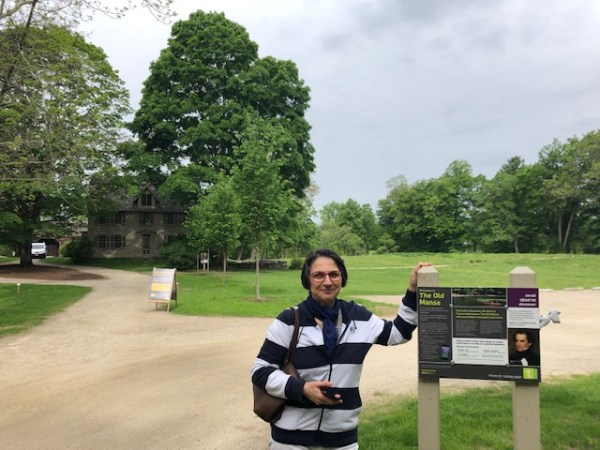
New England: A literary trip
In 2019, I suggested to my American friend that we could visit together some of the places in New England that I had heard of in my class of American… Continue reading New England: A literary trip
Keep reading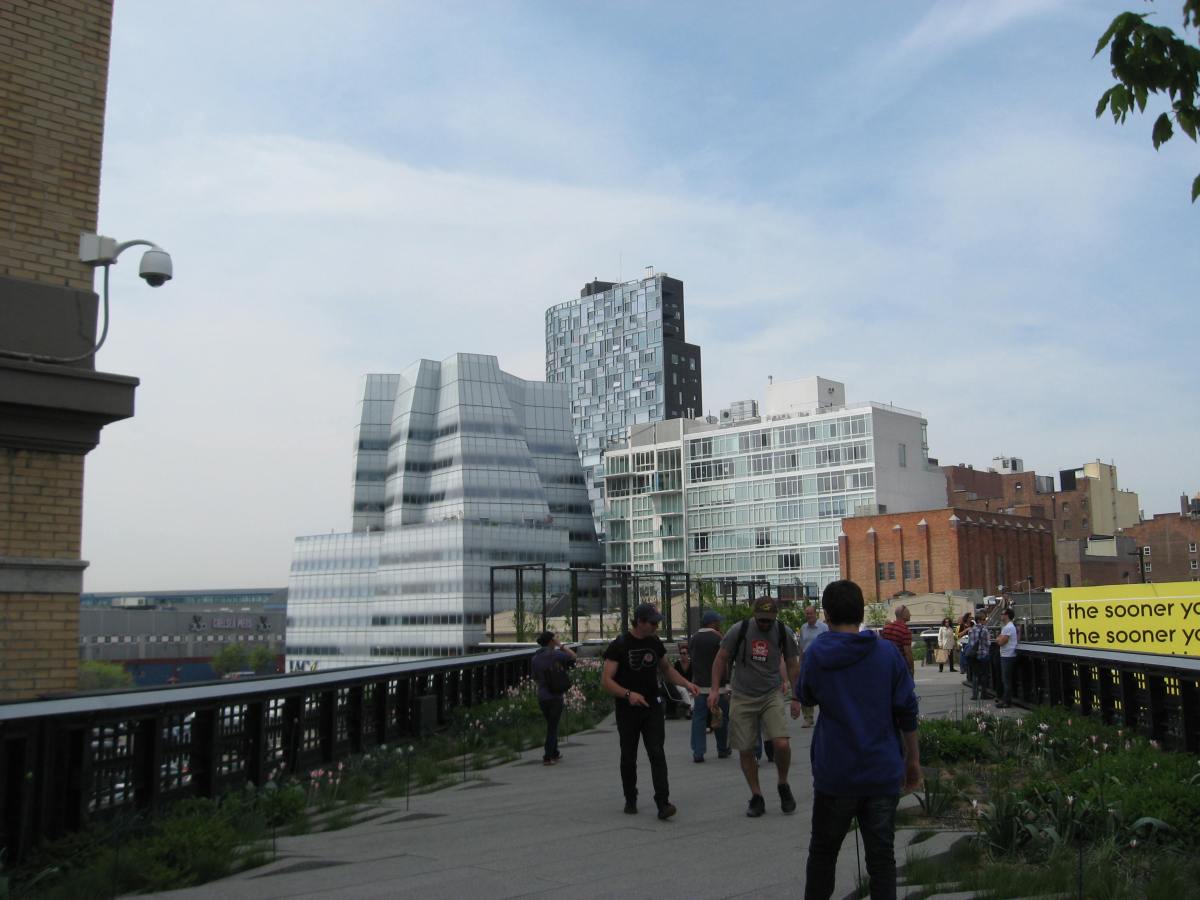
New-York and more: the architect’s eye
In 2011, my children and I made our second trip to the United States. My daughter was a first-year student in Nancy’s School of Architecture and wanted to see or… Continue reading New-York and more: the architect’s eye
Keep readingAmerica, a teenager’s passion (texte FR au bas de la page)
At the beginning of my teenage years, the American Dream became my American dream. In my childhood already, Carolyn Keene’s books narrating the adventures of Nancy Drew (Alice Roy in their French adaptations), a 16-year-old amateur sleuth, driving her own blue, convertible coupé, had opened a door in my imagination toward a wonderful world, far away, on the other side of the Atlantic. Though my parents were only children during World War II, my mother liked to tell us a few happy memories of that otherwise dark period: once, she was standing at a level crossing and saw a regiment of GIs, travelling by train. They greeted her from their open wagon, shouting “Hey, Baby!” and poured a shower of candies on her. She also remembered one of the GIs who gave their laundry to her mother asking her to kiss him on the cheek when he left France, and she did: this was probably a first for this big, black soldier, whose base camp was separated from the white soldiers’. For these children who had suffered from war restrictions, and despite the Allied devastated Marseilles when they bombarded the city in May 1944, the American Army, having liberated Europe, kept its heroic image in their minds, and in the 1970s, my mother still conveyed this cliché to my sister and me.
The United States was spreading their own version of the American Dream over the whole world for decades, first through the massive production of Hollywood films, and from the 1970s, through many TV series which took an important place in the programmes of the three French TV channels existing then. Even though I was quite fond of the maudlin TV adaptation of Little House on the Prairie, I developed a passion for 1950s’ America, either through its contemporary black-and-white films, or its idealized and coloured version conveyed by the TV series Happy Days (middle-class teenagers and rock’n’roll, the American way of life, huge cars with brilliant chromes, woman clothes, etc.) Meanwhile, I loved reading Aggie Mack’s adventures in Hal Rasmusson’s cartoons (or rather, in their French adaptations), whose drawings remind me of Norman Rockwell’s famous illustrations. I found some inspiration in this American Cinderella of the 1950s, a resourceful and optimist girl, independent, wearing jeans and pumps and dreaming of beautiful ball dresses…

I also devoured more serious books, such as John Steinbeck’s, and if tape-recorders had existed then, I would have recorded all 1950s’ films which were broadcast, especially those by Elia Kazan, directing James Dean and Marlon Brando… With my savings, I bought a “Best Of” album of The Platters, and two records: the movie soundtrack of West Side Story, and an album dedicated to Marily Monroe, featuring the songs she had recorded in her movies, and beautiful photos of her by Norman Mailer. I often borrowed books about the United States at the local library to learn more about its culture and way of life, natural and urban environments, so different from those I experienced in France.
One evening, coming out of that library, I went on an errand for my mother when an accident happened to me, and oddly, allowed my dream to come true. I had to buy some food at a grocery store nearby, I don’t remember what exactly, but I found what I was looking for at the back of the shop, where a service door was open. The grocer’s dog was there, and I bent down to stroke his head. I don’t know why, but he bit my face. I screamed as soon as I saw blood spilling on the floor, and the grocer ran to help me. He accompanied me to the nearest doctor, who tended to me immediately and sewed the wound. I only refer to this incident because after declaring this accident, I received a compensation from the grocer’s insurance company, covering the cost of an eventual operation of plastic surgery in the future. My parents put this money aside for me. Three years later, when I was studying at Lycée Massena, in Nice, this compensation gave me the financial means to participate in a school exchange with an American high school. Without it, my parents could not have offered me this extraordinary experience: aged fifteen and a half, I flew over the Atlantic for the first time of my life, with a group of 15 students and two teachers, each of us being hosted for three weeks by an American family, living in Great Neck, Long Island, near New-York. The following year, we would receive the group of American students at home. In 1980, globalization had not homogenized the cultures and ways of life of the Western countries yet, and believe me, arriving in the USA then was like landing on another planet. Vast suburban properties whose gardens were not enclosed, yellow school buses which picked up pupils every morning, lockers in school corridors, giant ice-creams and donuts of different flavours, disco roller-skating, gigantic shopping malls opened on Sundays…and New-York, this amazing metropolis where you can’t help walking in the streets with your head turned toward the top of skyscrapers, and where sunrays sometimes struggle to reach us, little ants swarming in the city’s concrete canyons. At that time, we went at the top of the World Trade Center and visited the United Nations building. My host family brought me to the Radio City Hall and to the theatre —we saw West Side Story—and we visited exhibitions at the Met and the Frick Collection. The High School had also organized visits for our group: we went on excursion in the Hudson Valley to visit the houses of Franklin Delano Roosevelt and the Vanderbilts, then converted into museums. We also visited West Point Academy and a reconstructed pioneer village.
My host became a dear friend, and our friendship has grown with the years. It’s thanks to her and her family that my children and I had a wonderful experience each time we went together to the US, in 2006, 2011 and 2016. And thanks to her and her organization skills, our “literary trip” in 2019 was not only fun, but also a memorable experience. This friendship allowed me to keep, more than 40 years later, an interest in this country, as big as a continent, and its highly complex culture. When I grew up, and discovered the US history and contradictions, its political and economic influences on the whole world, in short, when I opened my eyes on the gap between its idyllic image and reality, my dream vanished… But my respect and love for my American family have grown during all these years of friendship: human qualities have no borders.
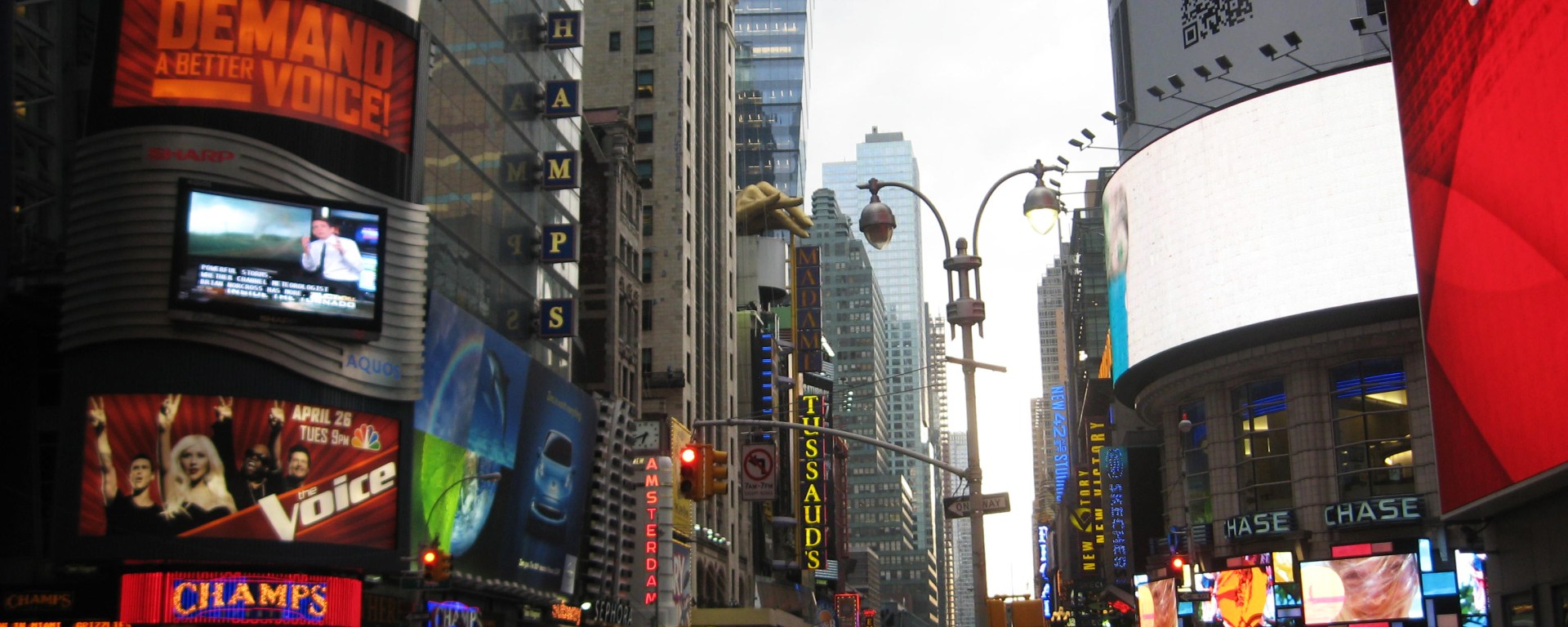
In this theme America, America, whose title is borrowed from Elia Kazan’s autobiographical film (1963), I posted the photo albums of two trips, the first one to New-York in 2011, the other to New-England in 2019, that could give you some ideas if you look for some inspiration for your next journey on the East Coast of the US. I also collected some short essays on 19th-century American literature, most of them written during my undergraduate studies at university and collected in a single document intitled “Excursion in American Literature.” Regarding American civilization, I posted two works, one about a dark side of the Liberation in 1944-45, quite short because it was prepared for an oral exam, and another one, a more thorough research paper written during my Master studies, which sheds some light on the impact of US nuclear activities on Native American populations, from the 1950s onward. Finally, I invite you to read an article about patchwork quilts: born from necessity among 19th-century pioneers, this American folk art has become a way to express themselves for millions of women worldwide (including me!), from Japan to France…
L’Amérique, une passion de jeunesse
Au début de mon adolescence, le « rêve américain » devint mon rêve américain. Enfant déjà, les romans de Caroline Quine, relatant les aventures d’Alice Roy, une jeune américaine, détective amateur, roulant dans un cabriolet bleu dès l’âge de 16 ans, m’avaient ouvert une fenêtre sur un monde merveilleux. Mes parents avaient subi la Deuxième Guerre Mondiale en tant qu’enfants, mais ma mère racontait souvent avec délice, et ce jusqu’à ce que la maladie efface ses plus lointains souvenirs, comment, à un passage à niveau, des soldats américains, voyageant dans le train qui roulait sous ses yeux, lui avaient envoyé une pluie de friandises en l’interpellant « Hey, Baby ! ». Elle racontait également qu’un des soldats américains qui donnaient leur linge à laver à sa mère, était venu leur dire aurevoir avant de quitter la France et lui avait demandé de lui faire une bise sur la joue : cela devait être une première pour ce soldat noir, dont le camp de base était séparé de celui des soldats blancs… Pour ces enfants marseillais qui avaient subi les privations de la guerre, et malgré le bombardement dévastateur des Alliés en mai 1944 sur Marseille, les Américains gardaient une image de sauveur dans leurs mémoires, cliché qu’ils transmettaient encore à leurs propres enfants dans les années 1970.
Les Etats-Unis diffusaient déjà depuis des décennies leur propre version du rêve américain dans le monde entier, d’abord au travers des films produits en masse à Hollywood, puis à partir des années 1970, grâce aux séries télé qui occupaient une place de choix dans les programmes des trois chaînes existantes de la télé française. Même si j’avais une certaine tendresse pour l’adaptation télé un peu mièvre de La Petite Maison dans la Prairie, je développais alors une passion pour les Etats-Unis des années 1950 en regardant les films en noir et blanc de cette époque, puis leur version idéalisée et en couleurs que nous offrit la série Happy Days (adolescents et rock and roll, mode de vie de la classe moyenne, voitures immenses tout en chromes, mode féminine, etc.) En parallèle, j’adorais lire les aventures d’Aggie Mack dans les albums de bandes dessinées d’Hal Rasmusson (ou plutôt dans leurs adaptations en français, édités par la SNP), dont les dessins rappellent les célèbres illustrations de Norman Rockwell. Je trouvais une source d’inspiration dans cette Cendrillon américaine des années 1950, une jeune fille débrouillarde et optimiste, indépendante et pleine de ressources, habillée en jeans et ballerines et rêvant de belles robes de bal…

Je dévorais également les romans de John Steinbeck, et si le magnétoscope avait existé à cette époque, j’aurais certainement enregistré tous les films des années 50 qui passaient à la télé, et en particulier ceux d’Elia Kazan, mettant en scène James Dean et Marlon Brando… Avec mes économies, je m’étais acheté un coffret « best of » des Platters, ainsi que deux 33 tours : la bande son de West Side Story, et un album « Marilyn Monroe », regroupant les chansons qu’elle avait enregistré pour ses films, ainsi que de très belles photos de Norman Mailer. J’empruntais des livres sur les Etats-Unis à la bibliothèque du quartier, qui décrivaient des environnements naturels et urbains, une culture, et un mode de vie bien différents de ceux que je connaissais alors.
C’est en sortant de cette bibliothèque et en allant faire une course un soir que m’arriva un accident qui, curieusement, allait me permettre de vivre mon rêve… Ma mère m’avait demandé d’aller acheter un ingrédient au petit supermarché du quartier. Je ne me souviens plus exactement de quoi il s’agissait, mais je trouvais ce qu’il fallait au fond du magasin, près d’une porte de service qui était entrouverte. Le chien du propriétaire était là, et je me suis baissée pour le caresser. Je ne sais pas ce qui s’est passé dans sa tête, mais il m’a mordue au visage. Voyant du sang couler sur le carrelage, j’ai hurlé et le propriétaire est arrivé en courant, puis m’a amenée en urgence chez un médecin qui a dû recoudre ma lèvre. Je cite seulement cet incident parce je reçus alors une somme forfaitaire des assurances à titre de dédommagement, au cas où je veuille plus tard recourir à une opération de chirurgie esthétique, et mes parents mirent cet argent de côté pour moi. Trois ans plus tard, alors que j’étais en 1ère au lycée Masséna, à Nice, ce dédommagement me permit de m’inscrire à un voyage scolaire aux Etats-Unis. Sans celui-ci, mes parents n’auraient certainement pas pu m’offrir cette expérience inoubliable : à quinze ans et demi, je survolais pour la première fois l’Atlantique avec un groupe d’une quinzaine d’élèves et deux professeurs, chacun étant reçu pendant trois semaines dans une famille américaine. Le lycée Masséna était jumelé avec une High School de Great Neck, sur Long Island, près de New-York. L’année suivante, ce serait à notre tour de recevoir le groupe d’élèves américains à domicile. En 1980, la mondialisation n’avait pas encore homogénéisé les cultures et modes de vie des pays occidentaux, et croyez-moi, ce voyage aux Etats-Unis nous fit découvrir un autre monde. De belles propriétés dont les jardins n’étaient pas clôturés, les bus jaunes qui ramassaient chaque matin les écoliers, les vestiaires dans les couloirs de l’école, les « donuts », ces beignets ronds avec un trou au centre, les centres commerciaux gigantesques qui étaient ouverts le dimanche, et New-York, cette ville incroyable où l’on marche pour la première fois le visage levé vers les sommets des gratte-ciels et où le soleil ne semble pas parvenir jusqu’à nous. A l’époque, nous étions montés au sommet du World Trade Center et avions visité le bâtiment des Nations-Unies. Ma famille hôte m’a emmenée au théâtre, voir West Side Story et nous avons visité des expositions au Met et à la Frick Collection. L’école avait aussi organisé une excursion dans l’état de New-York : nous avons visité un village de pionniers (reconstitué), l’académie de West Point, et les résidences (transformées en musées) de Franklin Delano Roosevelt et des Vanderbilt dans la vallée de l’Hudson.
Mon « binôme » est devenue une grande amie, et nous avons tissé des liens forts qui durent encore aujourd’hui. C’est grâce à elle et à sa famille que j’ai pu, en 2006, 2011 et 2016, explorer cette partie des Etats-Unis avec mes enfants. C’est aussi avec cette amie que j’ai effectué un parcours historique et littéraire, qui nous a conduites jusqu’à Boston, en 2019.
C’est ce lien affectif qui m’a permis de conserver, plus de quarante ans après, un intérêt pour ce pays à la taille d’un continent et sa culture d’une grande complexité. En grandissant, en découvrant son histoire et ses contradictions, son influence économique et politique sur le reste du monde, en bref, en ouvrant les yeux sur le fossé existant entre son image idéalisée et ses réalités, mon rêve s’est dissipé… Mais mon respect et mon affection pour ma « famille américaine » se sont renforcés pendant toutes ces années d’amitié : les qualités humaines n’ont pas de frontières.
Dans ce thème America, America, dont j’ai emprunté le titre à un film autobiographique d’Elia Kazan (1963), j’ai posté les albums photos de deux voyages, l’un à New-York en 2011, l’autre en Nouvelle-Angleterre en 2019, qui pourraient éventuellement vous donner quelques idées si vous cherchez l’inspiration pour un prochain voyage sur la côte Est du « Nouveau Monde ».
J’ai aussi posté plusieurs essais sur la littérature américaine du 19ème siècle, écrits pendant mes années de Licence d’Anglais et regroupés dans un seul document, intitulé « Excursion in American Literature ». Côté civilisation américaine, j’ai posté deux travaux de recherche, l’un sur un aspect sombre de la Libération en 1944-45, assez court car destiné à une présentation orale en Licence, et un autre beaucoup plus approfondi, écrit pendant mes études de Master, et mettant en lumière l’impact du développement des activités nucléaires américaines sur les populations indiennes à partir des années 1950. Je vous invite également à découvrir le patchwork, un art populaire américain né de la nécessité chez les pionniers au 19ème siècle, et devenu aujourd’hui un mode d’expression pour des millions de femmes à travers le monde, de la France au Japon, en passant par les Amish…
 The eternal student - anglophile version
You must be logged in to post a comment.