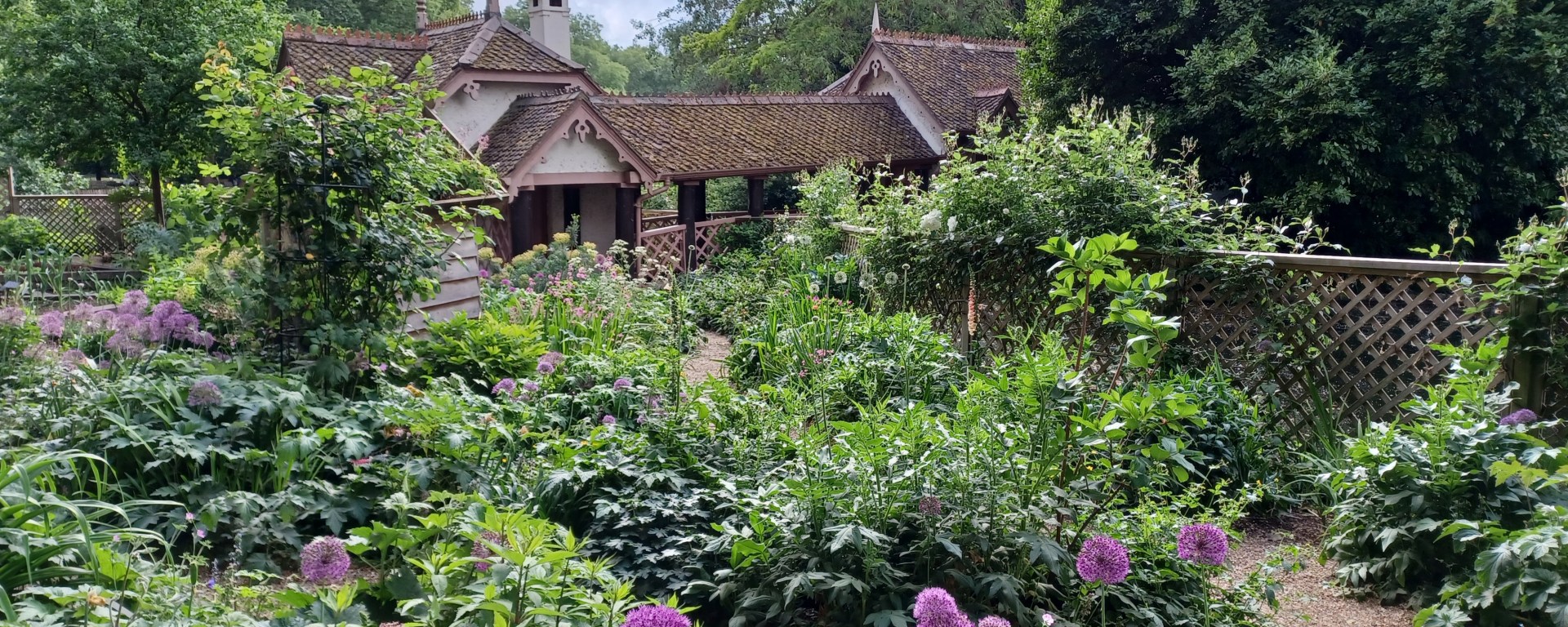
As a foreigner who grew up in the 20th century, my perception of British landscapes came from idyllic images conveyed through TV detective stories filmed in country villages, be they adaptations of Agatha Christie’s novels or the series Midsomer Murders: round hills with emerald-green grass and interspersed hedgerows and woods, and gorgeous cottage gardens, cramming with luxuriant flower arrangements…
From Yorkshire’s national parks to Snowdonia, from Chester and Shrewsbury to the honey-hued stone houses in the Cotswolds, my trips have allowed me to taste the delights of the British countryside and to capture its essence. They have also made me travel back in time when I visited many architectural gems in England and Wales, which testify of Britain’s rich and complex history. I invite you to follow in my footsteps through the photo-albums and outlines of my most recent trips to England and Wales.
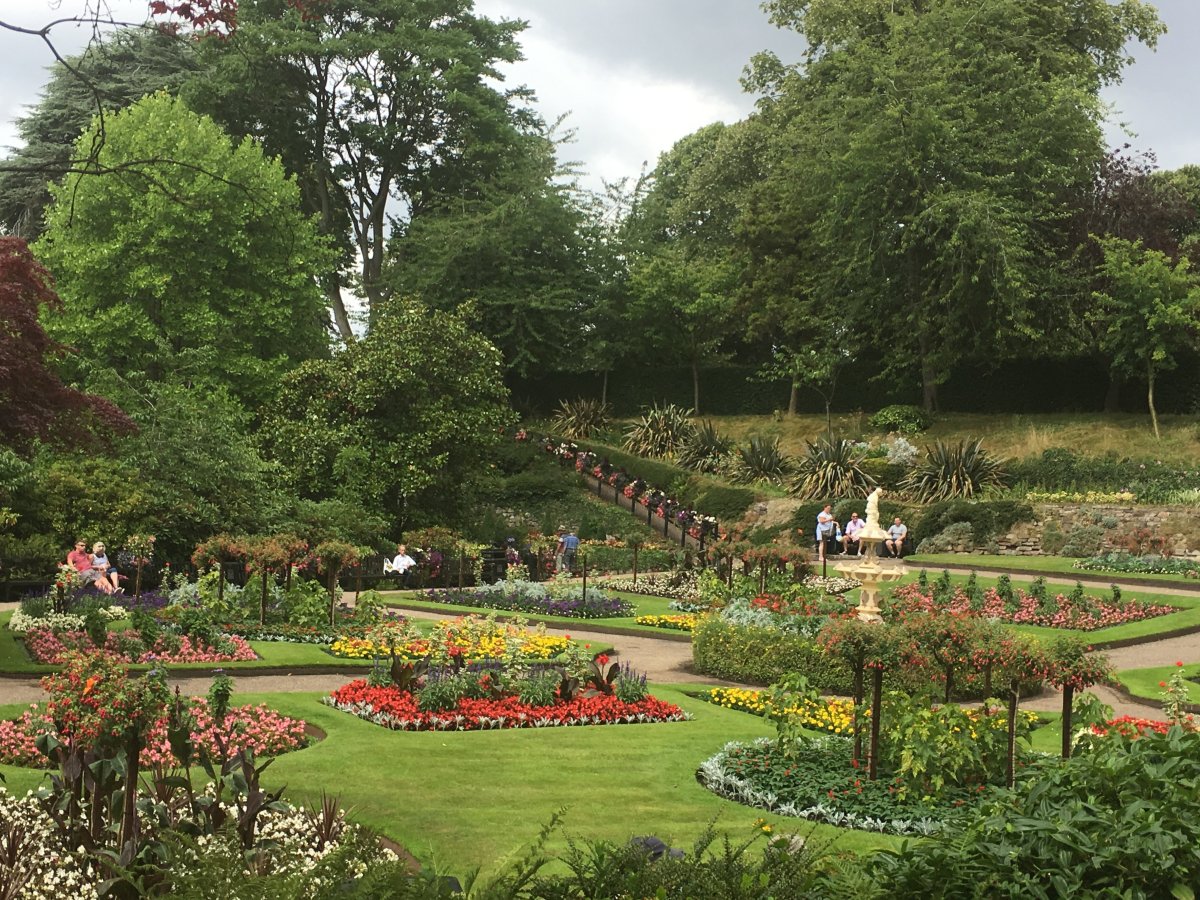
During these trips, I had the opportunity to observe beautiful country gardens and to admire the know-how of British gardeners in the gardens of some Cambridge Colleges, private mansions, or in public parks such as the Dingle Garden in Shrewsbury, the Valleys Gardens in Harrogate, or Regent’s Park in London. Thus, I invite you to read my essay about the distinctive personalities of England’s gardens and landscapes, and their representations in arts in British “modern” history. Indeed, successive changes, reflecting historical and social changes and interrelating with British arts, have affected their features over centuries, giving them distinctive personalities within European/western culture.
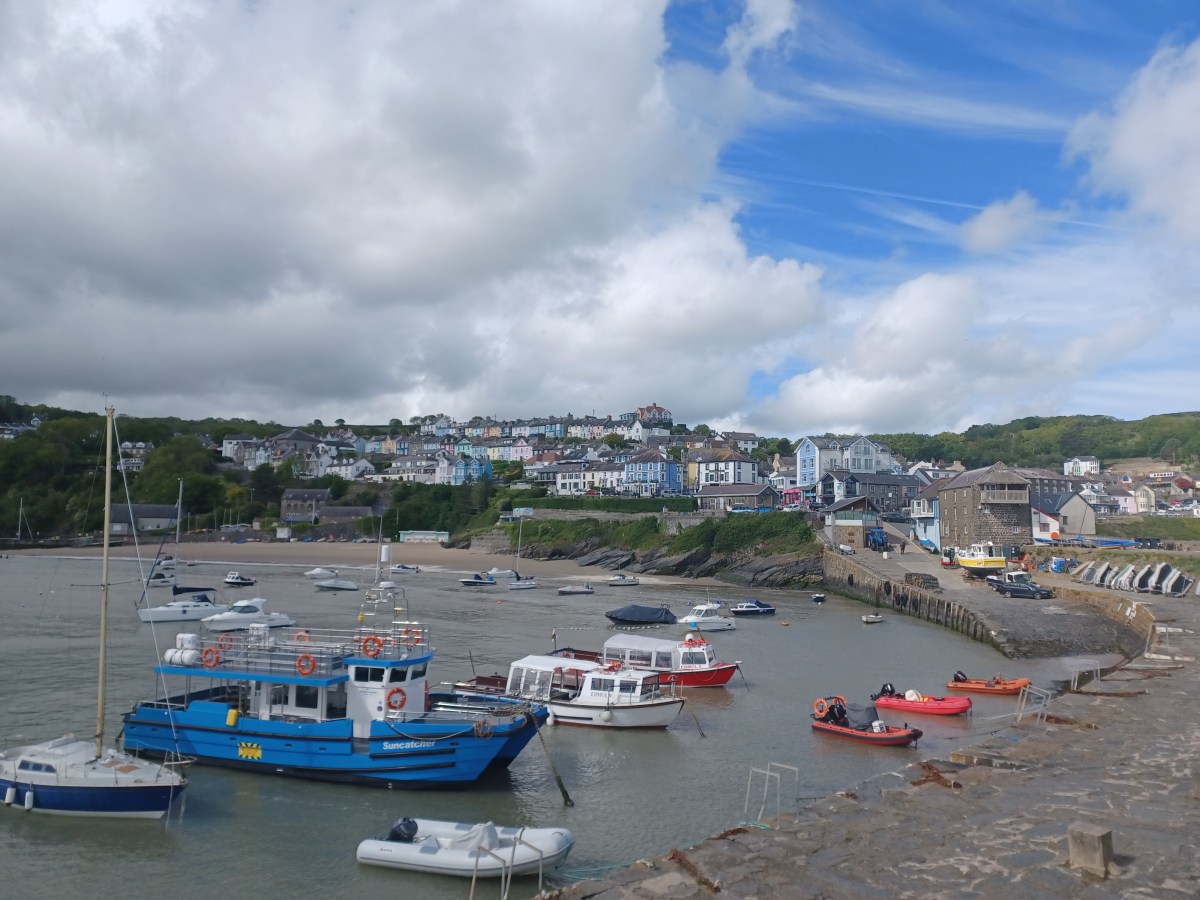
A Five-day Tour of Wales
Wales is a land of legends—including King Arthur’s, music, and wonderful landscapes. Every day, this tour provided me with new enjoyments and pleasures, from the breathtaking mountains of Snowdonia to… Continue reading A Five-day Tour of Wales
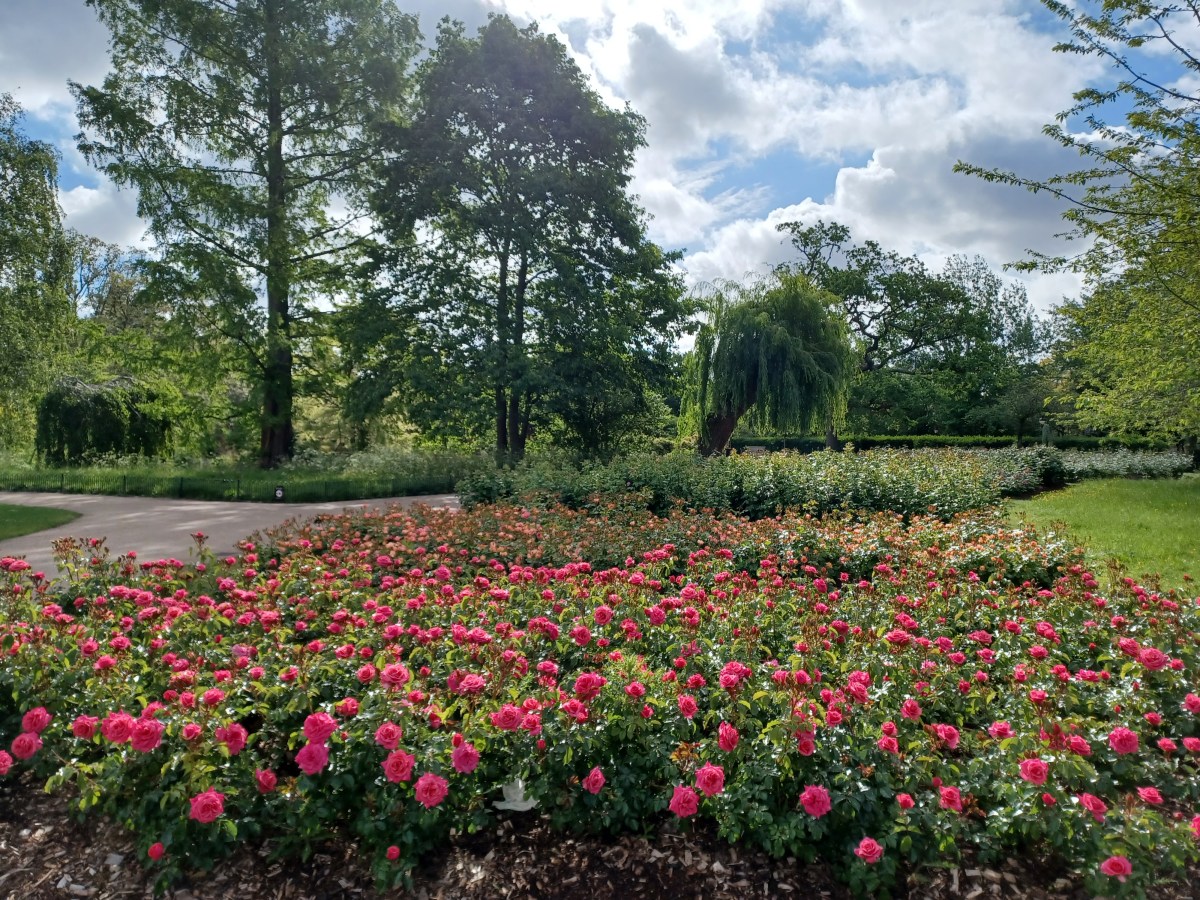
Nature and Culture in London
(11,12 and 18 May 2026). As I was spending a couple of days in London—before and after a scheduled tour of Wales—I decided to explore some areas I had never… Continue reading Nature and Culture in London
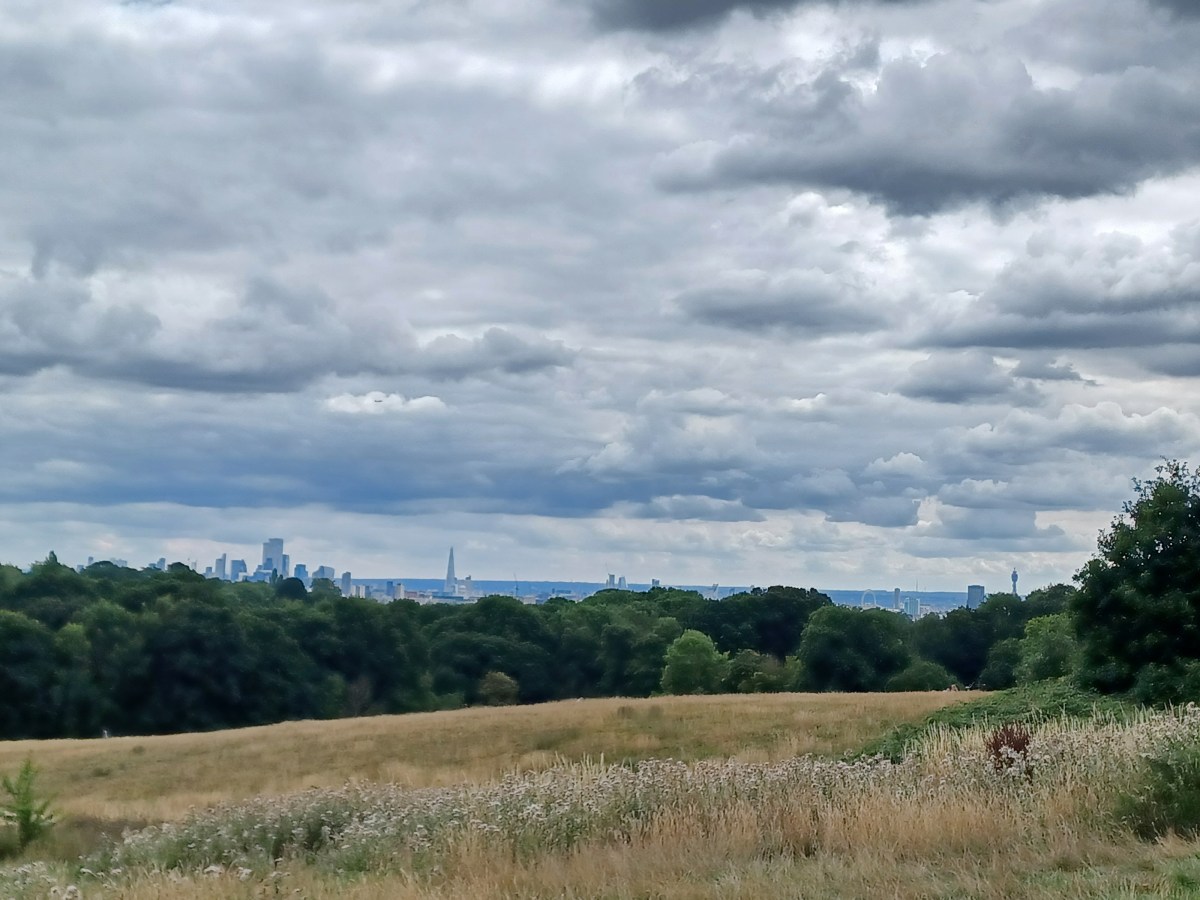
A summer weekend in London
The last time I stayed in London was in September 2019, before the pandemic. I had organized a family weekend around the visit of the William Blake exhibition at Tate… Continue reading A summer weekend in London
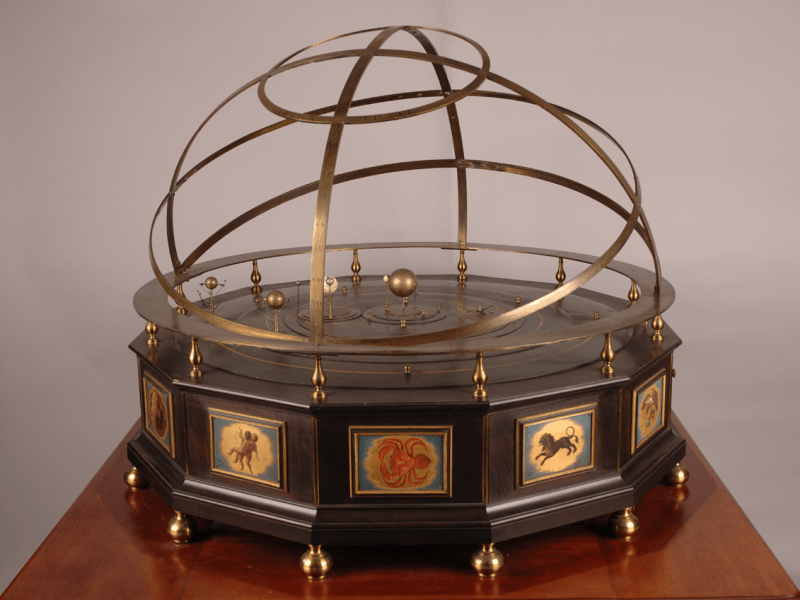
Scientific Cambridge
Since Isaac Newton, Cambridge’s famous scientists have brought many discoveries to the world. Last July, during my two-week programme at Cambridge, I also explored the scientific side of this temple… Continue reading Scientific Cambridge

A two-week holiday in Cambridge
In July I enrolled in an international summer programme at the Institute of Continuing Education, Cambridge University. I had already participated in such a programme in 2018, before the pandemic,… Continue reading A two-week holiday in Cambridge
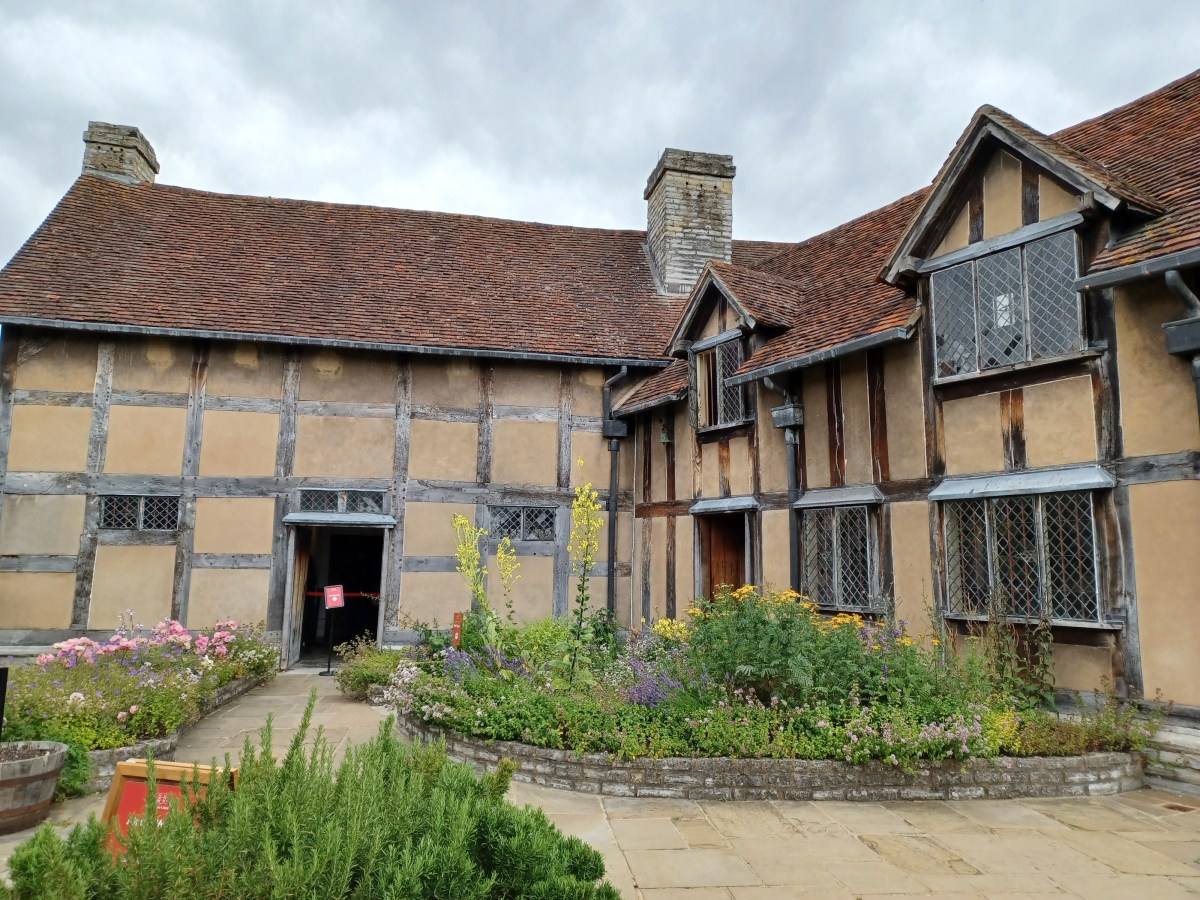
An excursion to Stratford-upon-Avon…
or a short but intense immersion into “Shakespeareland”! A touristic circus for some, a place of pilgrimage for the Bard’s fans, I found that Stratford was worth the trip, especially… Continue reading An excursion to Stratford-upon-Avon…
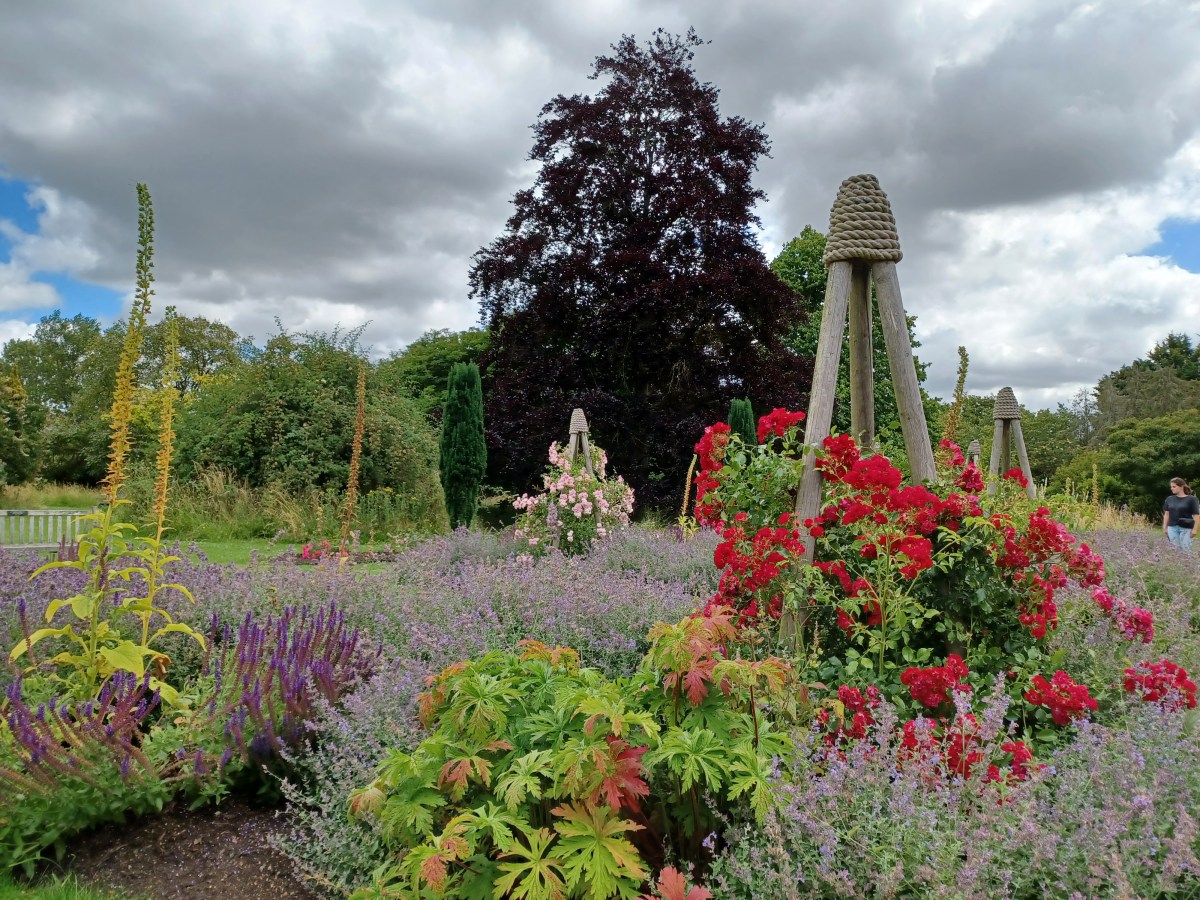
Three Sisters: Poetry, Painting and Gardening
According to Horace Walpole (1717-1797), “Poetry, Painting and Gardening (…) will forever by men of taste be deemed three sisters, or the Three New Graces who dress and adorn nature.”… Continue reading Three Sisters: Poetry, Painting and Gardening
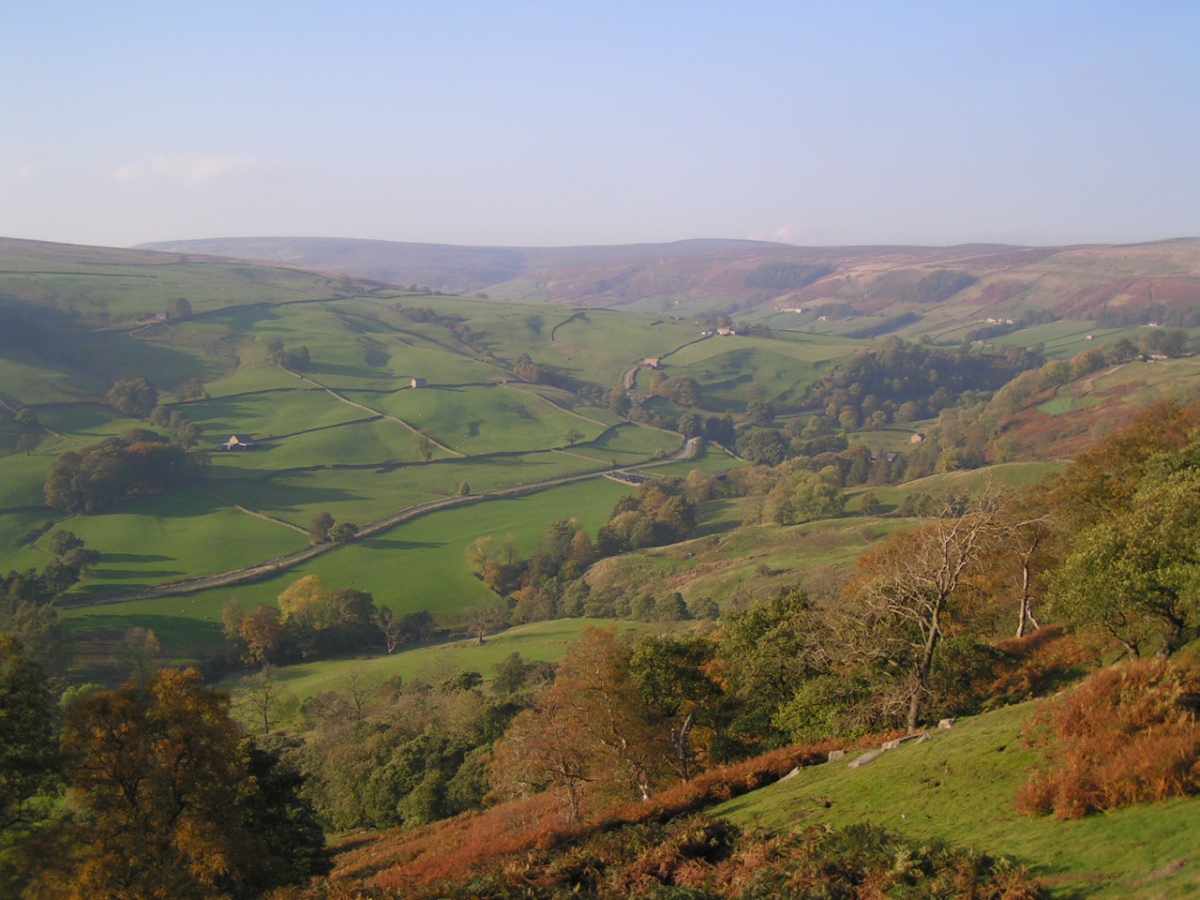
A trip to Yorkshire
In May 2014, I decided to explore one of the largest historic areas of England: Yorkshire. I visited its capital, York, and a beautiful Victorian spa town, Harrogate. Then, an… Continue reading A trip to Yorkshire
A trip to the West-Midlands
In 2017, I took the opportunity of a one-week intensive language course to discover the West Midlands, a part of England I had never seen before: Birmingham, Shrewsbury and Chester.… Continue reading A trip to the West-Midlands
Illustration on top of this page: Duck Island Cottage, on Birdcage Walk, St James Park, London (own photo)

