Science & Art in Britain’s “Modern” History

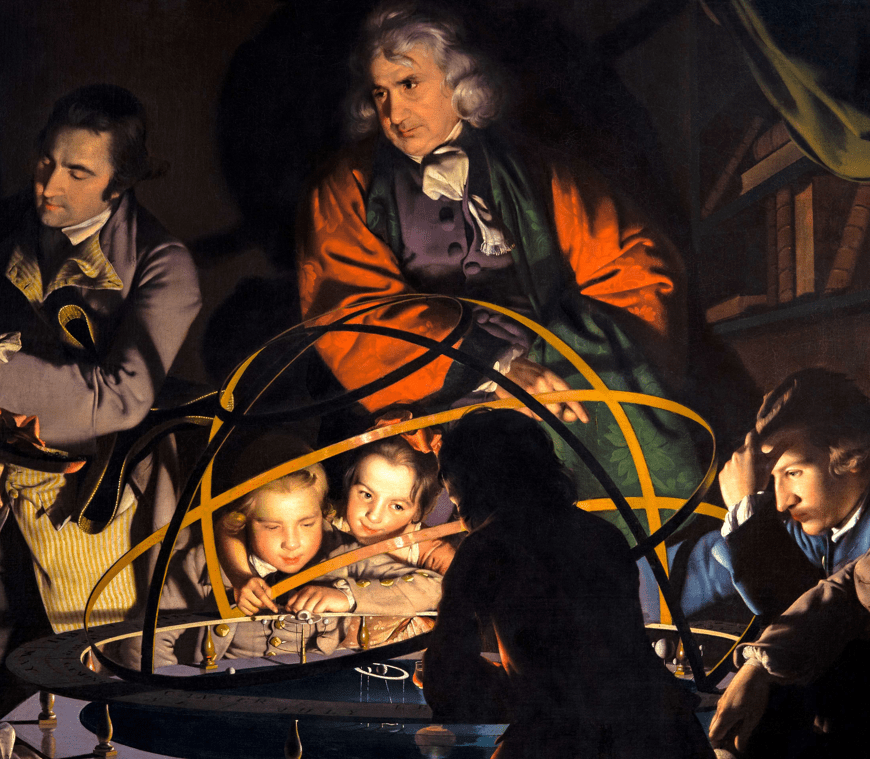
Why do we feel sometimes that there is a gap between the sciences and the humanities? Or that science seems to struggle to be integrated into the cultural sphere on an equal footing with arts or literature? Where do these impressions come from? “Natural philosophy,” as science was called from antiquity to the 19th century, was not always looked down or as a threat by … Continue reading Science & Art in Britain’s “Modern” History

Gulliver & The Man in the Moone

Real or imagined? The non-fictional and the fictional in Francis Godwin’s The Man in the Moone (1638) and Jonathan Swift’s Gulliver’s Travels (1726). In these works of fiction, the characters and societies described, as well as the travels recounted by the narrators, were imagined by their authors. Generations of critics and scholars, though, have tried to decode and to analyse elements of reality or of … Continue reading Gulliver & The Man in the Moone

Three Sisters: Poetry, Painting and Gardening

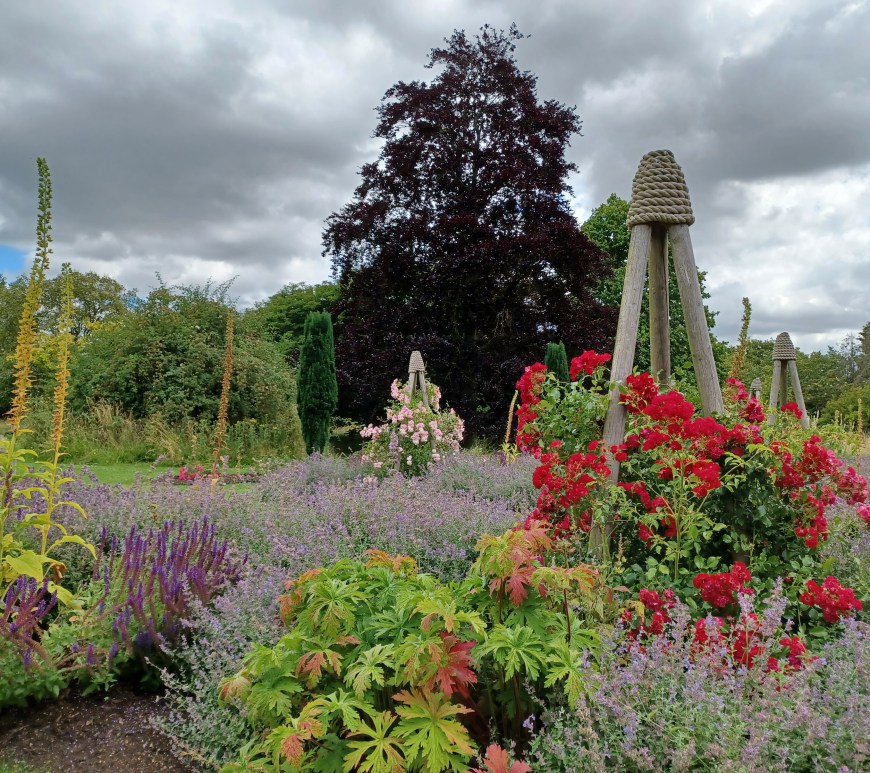
According to Horace Walpole (1717-1797), “Poetry, Painting and Gardening (…) will forever by men of taste be deemed three sisters, or the Three New Graces who dress and adorn nature.” How about exploring the distinctive personalities of England’s gardens and landscapes and their representations in arts in “modern” history? What makes the English countryside and gardens so characteristic within the European scenery? Why and how … Continue reading Three Sisters: Poetry, Painting and Gardening